Rachel Louise Moran, Texas A&M University
From Baby Blues to Postpartum Depression: A History of Maternal Mental Health
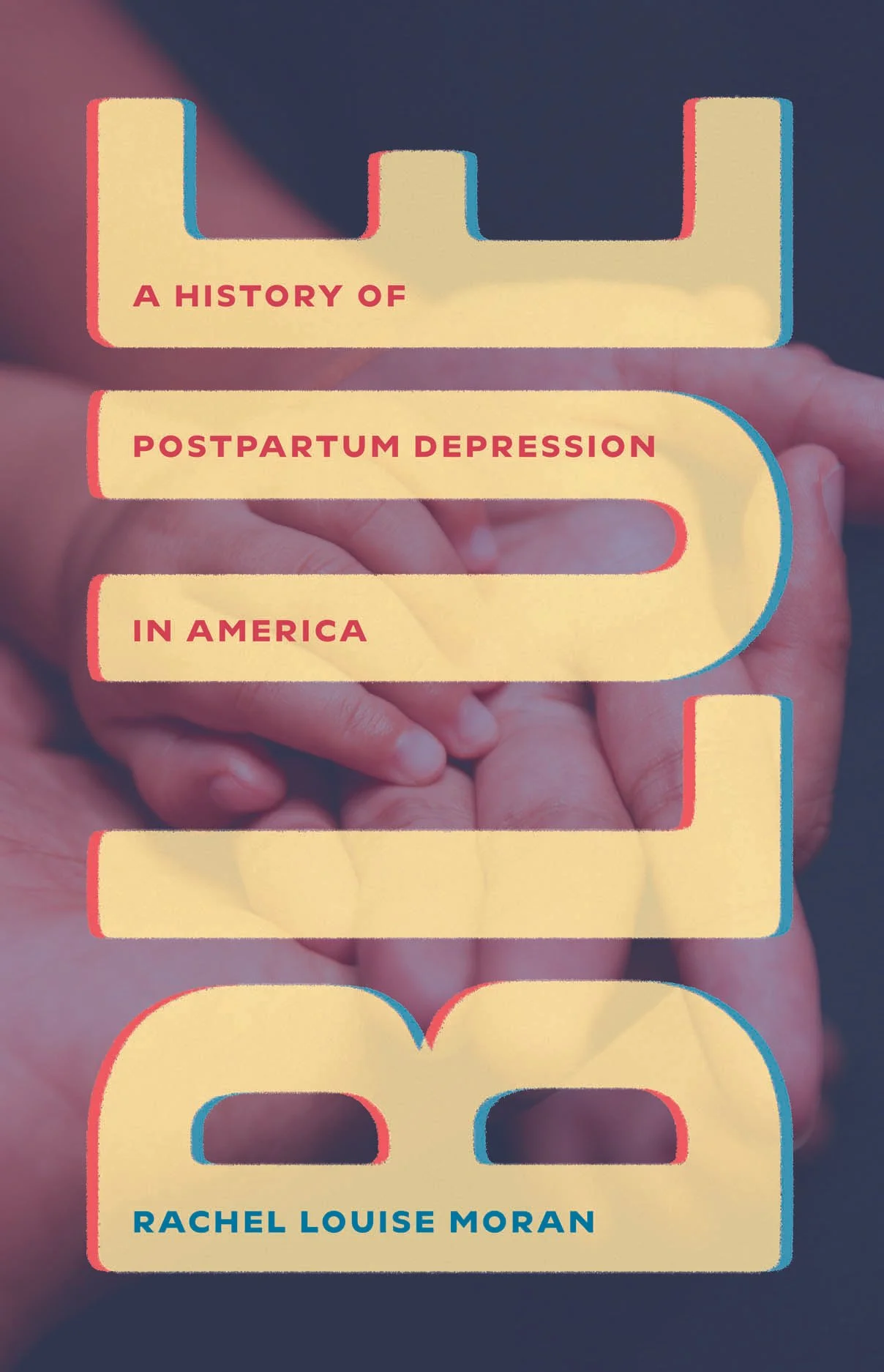
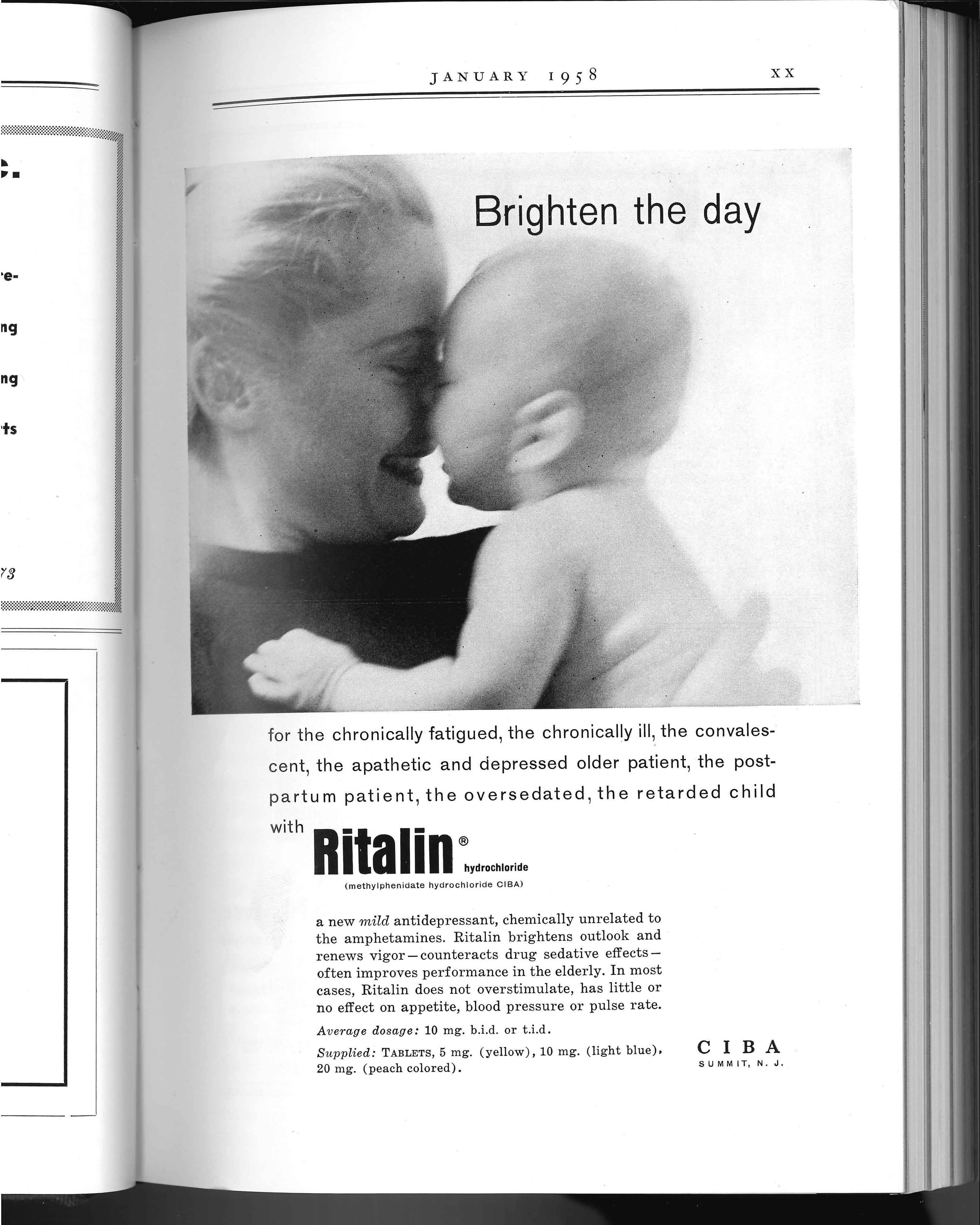
Postpartum depression is usually understood today as a medical condition rooted in hormones or brain chemistry. But how did it come to be defined this way? Drawing on my book, Blue: A History of Postpartum Depression in America, I trace the emergence of postpartum depression as a diagnostic and cultural concept from the mid-twentieth century to the present. I argue that our contemporary understanding of postpartum depression is the product of decades of negotiation among feminist activists, psychiatric researchers, and advocates working within everchanging political landscapes. Through a deep dive into the pivotal decades of the 1970s and 1980s, I discuss how postpartum distress was reframed first from the “baby blues” to a feminist critique of motherhood, and then later to a medicalized and increasingly apolitical diagnosis. This history helps explain why postpartum depression today is widely recognized but unevenly treated and why the condition has managed to remain apart from some of the intense political conflict that surrounds other aspects of women’s health.
Postpartum depression is usually understood today as a medical condition rooted in hormones or brain chemistry. But how did it come to be defined this way? Drawing on my book, Blue: A History of Postpartum Depression in America, I trace the emergence of postpartum depression as a diagnostic and cultural concept from the mid-twentieth century to the present. I argue that our contemporary understanding of postpartum depression is the product of decades of negotiation among feminist activists, psychiatric researchers, and advocates working within everchanging political landscapes. Through a deep dive into the pivotal decades of the 1970s and 1980s, I discuss how postpartum distress was reframed first from the “baby blues” to a feminist critique of motherhood, and then later to a medicalized and increasingly apolitical diagnosis. This history helps explain why postpartum depression today is widely recognized but unevenly treated and why the condition has managed to remain apart from some of the intense political conflict that surrounds other aspects of women’s health.
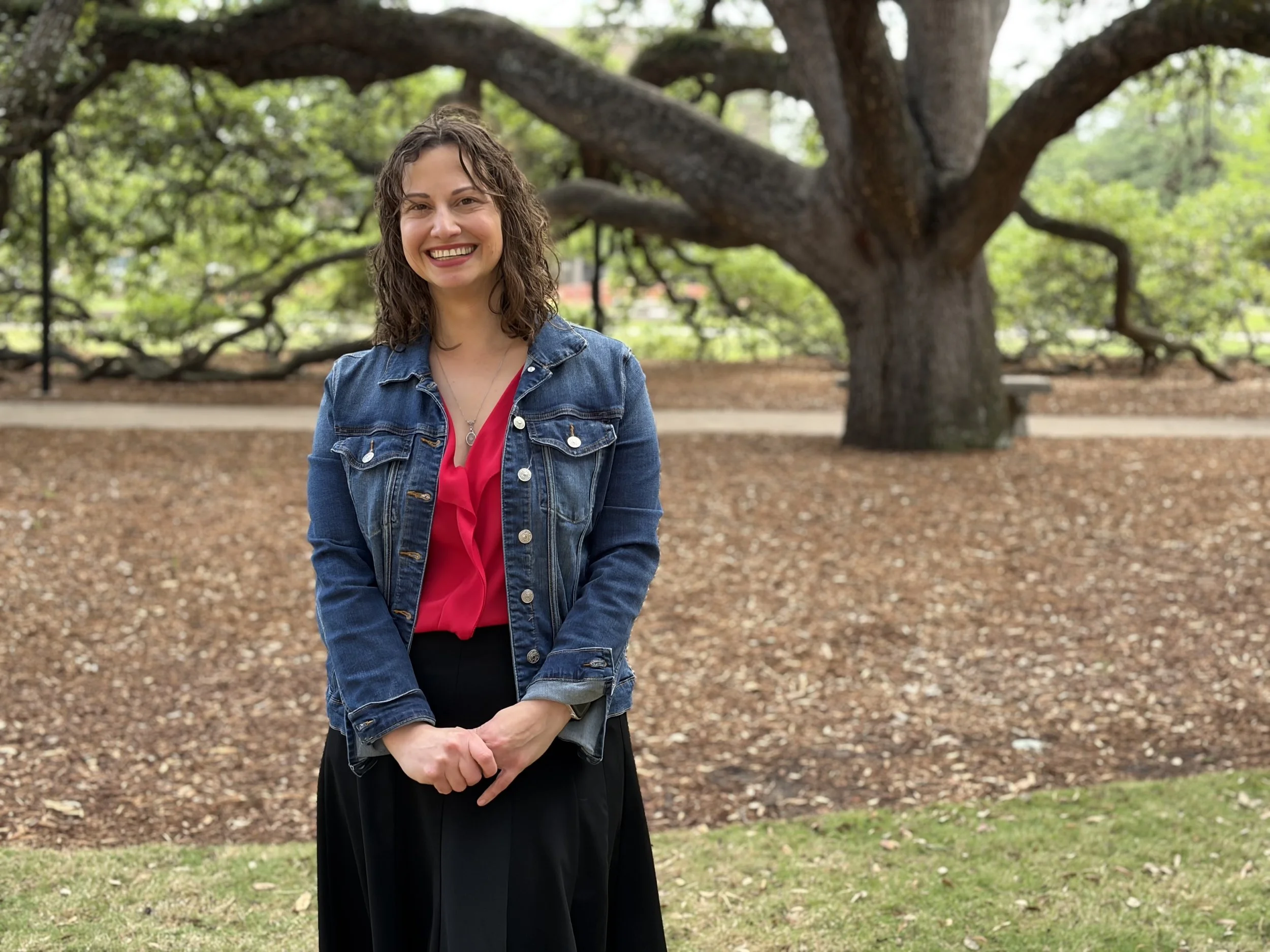
Rachel Louise Moran is a Professor of History at Texas A&M University, where she teaches courses on modern US history, women’s history, and the history of medicine. Her research focuses on how political cultures and institutions have shaped Americans’ relationships with health and wellness in areas including nutrition and fitness, psychiatry, and reproductive and sexual health. She is the author of Governing Bodies: American Politics and the Shaping of the Modern Physique (University of Pennsylvania Press, 2018) and Blue: A History of Postpartum Depression in America (University of Chicago Press, 2024). As part of writing Blue she also conducted oral histories that are now archived as the Maternal Mental Health collection with the University of North Texas’ Oral History Program. Her current book project explores the development of the Kegel pelvic floor exercise and the overlaps between women’s health, sexual dysfunction, and wellness culture since the 1940s. Dr. Moran has published research articles in the Journal of American History, Gender & History, Social History of Medicine, Journal of the History of the Behavioral Sciences, and the Journal of the History of Sexuality. Her projects have been supported by the National Science Foundation, the American College of Obstetricians and Gynecologists, and the Woodrow Wilson Foundation, among others.